Native California Plants That Add Color, Texture, and Pollinator Life
Read more


In regions where water is a limited and precious resource, the way we design our landscapes matters more than ever. Drought-tolerant landscaping isn’t about sacrificing beauty—it’s about creating outdoor spaces that are resilient, thoughtful, and aligned with the natural environment. When designed well, these landscapes feel intentional, lush, and deeply connected to place.

Drought-tolerant design begins by honoring the realities of the local climate. Plants that are adapted to dry conditions have evolved to survive with minimal supplemental water, making them naturally stronger and more resilient. Instead of forcing a landscape to stay green through constant irrigation, this approach allows the garden to thrive on what the environment already provides.

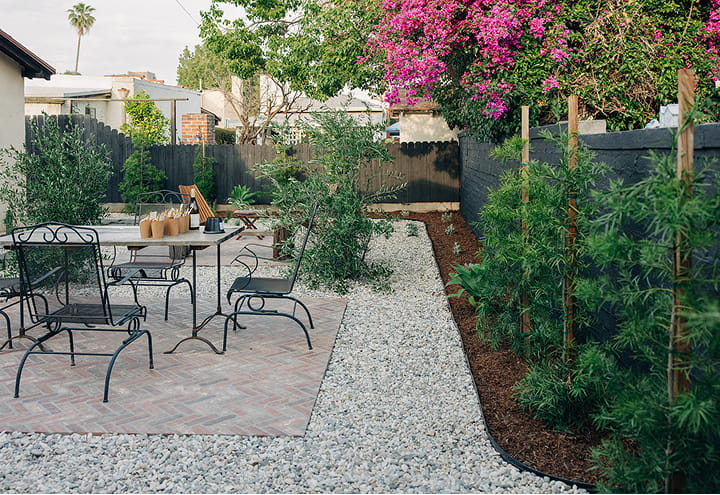
One of the biggest shifts in drought-tolerant design is rethinking the role of traditional lawns. Large grassy areas often require the most water and maintenance, yet offer limited ecological benefit. By replacing or reducing lawn space with native plants, groundcovers, decomposed granite, or planted beds, landscapes gain texture, movement, and seasonal interest—often with far less upkeep.

Drought-tolerant gardens rely on layers rather than uniformity. Trees provide shade and structure, shrubs add depth, and groundcovers soften the soil below. This layered approach not only conserves water by protecting soil moisture, but also creates a visually dynamic landscape that feels full and intentional year-round.

Even the most drought-tolerant landscape benefits from efficient watering. Drip irrigation systems, smart controllers, and proper plant grouping ensure water is delivered only where it’s needed. These systems reduce waste, prevent runoff, and support healthy plant growth without overwatering.
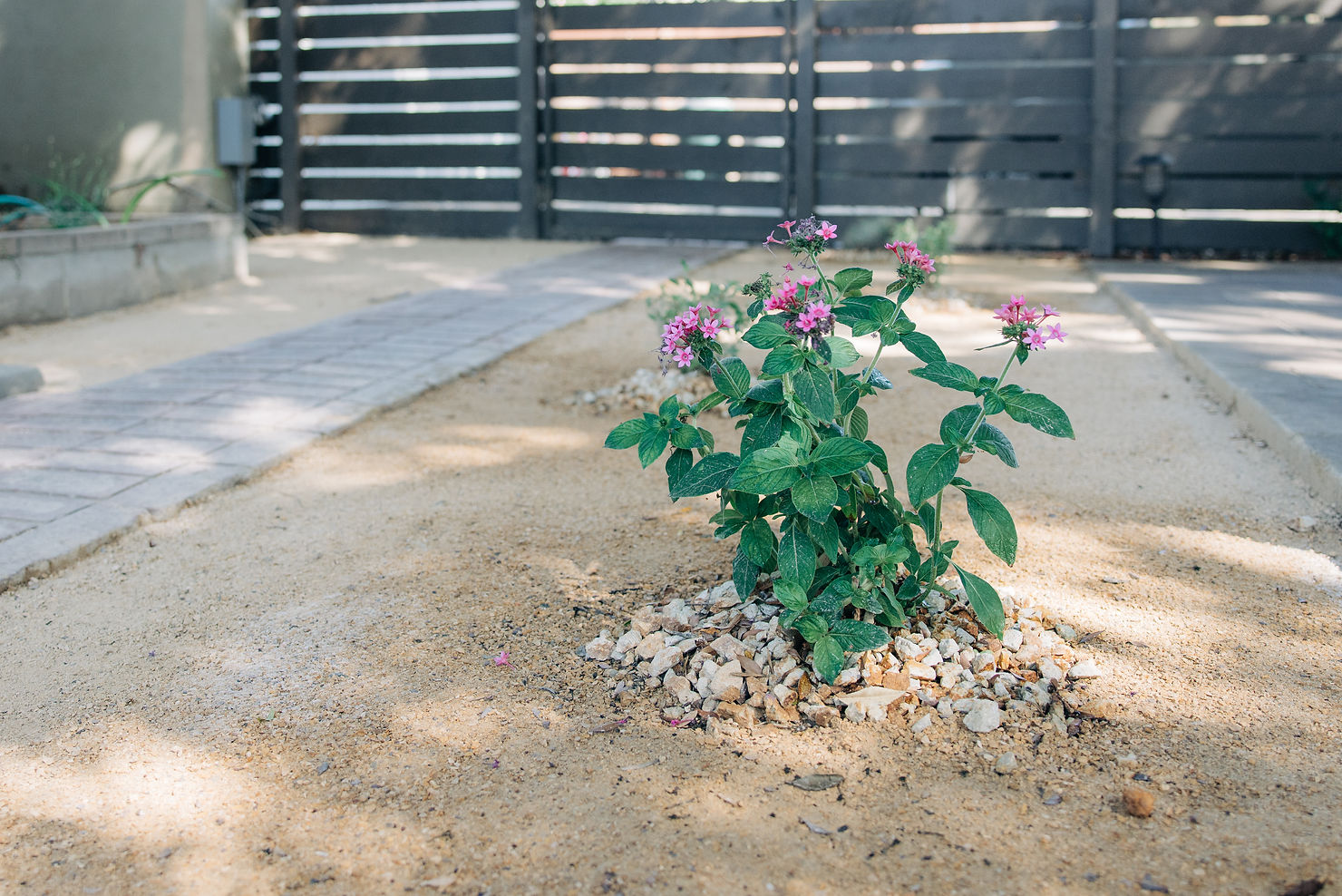
Drought-tolerant landscapes tend to improve with time. As plants establish deeper root systems, they become more self-sufficient and require less intervention. Over the years, the garden settles into itself—becoming more balanced, more beautiful, and easier to maintain.
Choosing drought-tolerant design is a practical decision, but it’s also a meaningful one. It reflects care for your home, your community, and the natural world around you. These landscapes conserve water, support local ecosystems, and offer outdoor spaces that feel calm, grounded, and enduring.
A beautiful yard doesn’t have to come at the cost of constant watering. With thoughtful design and the right plant choices, drought-tolerant landscapes prove that less water can still create spaces that feel alive, welcoming, and deeply satisfying.
Every project begins with a conversation — we'll help you figure it out.
.jpg)