The Psychology of Outdoor Spaces: How Your Yard Affects Your Mood
Read more

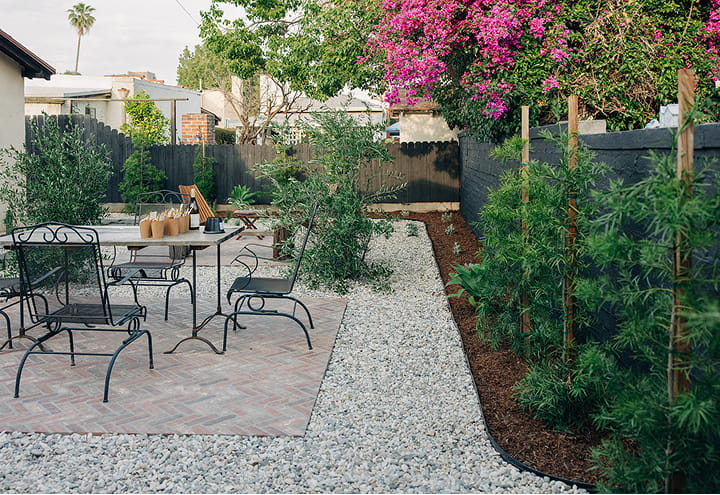
A garden doesn’t need constant watering or upkeep to feel full, vibrant, and alive.
In Southern California, some of the most beautiful landscapes come from working with what naturally thrives here. Native plants—those that have evolved in this region over time—offer a kind of beauty that feels effortless, grounded, and deeply connected to place.
But beyond sustainability, native plants bring something even more meaningful: movement, texture, and life.

There’s a noticeable difference between a garden that simply looks good and one that feels alive.
Native plants invite that feeling.
They attract butterflies drifting from flower to flower, bees moving gently through blooms, and birds that bring sound and rhythm into the space. The landscape becomes dynamic—changing with the seasons, shifting with the light, and offering something new to notice each day.
Instead of a static yard, you get an environment that evolves and engages the senses.
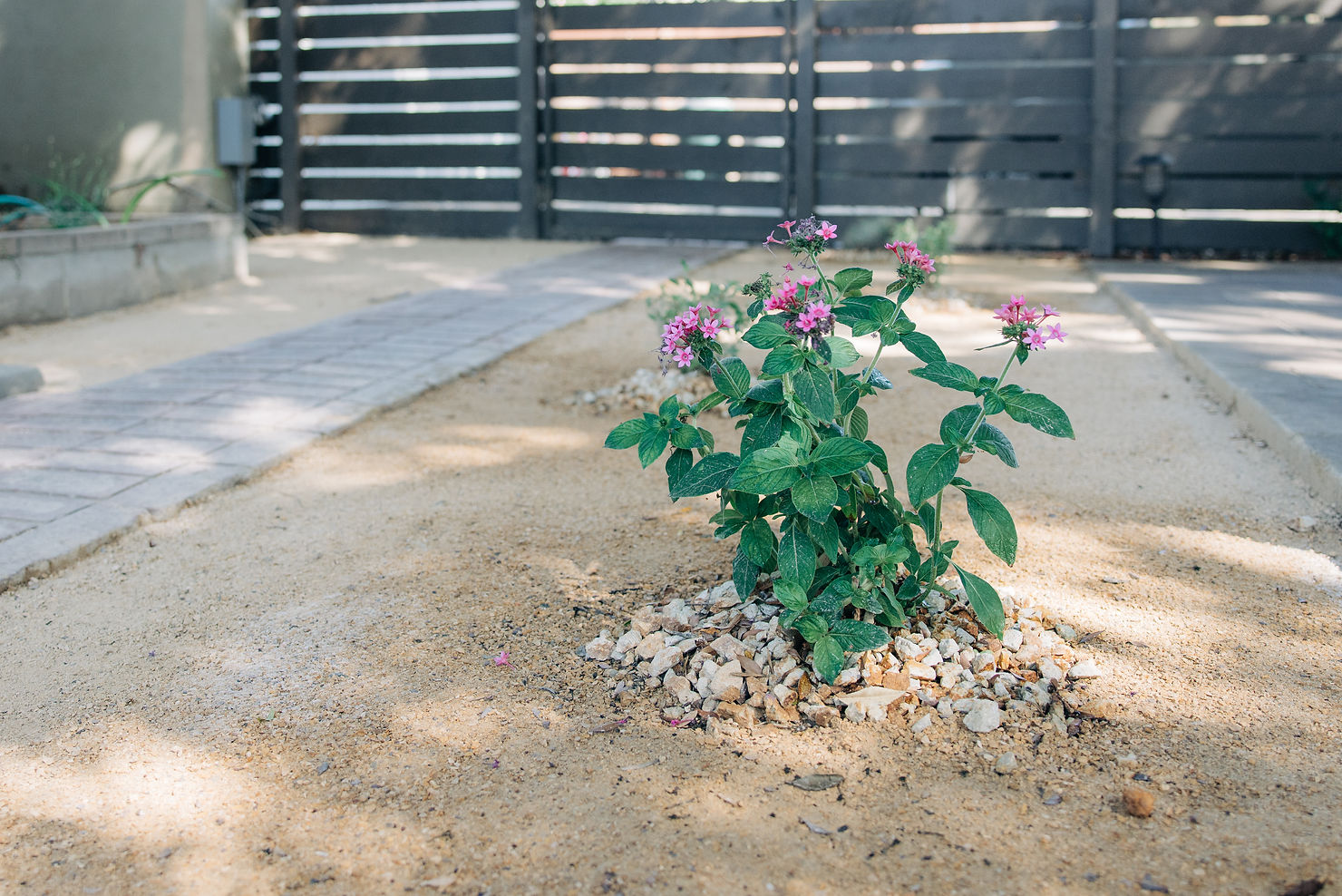
Native California plants don’t rely on constant blooms to be beautiful.
Their color comes in layers—soft greens, silvery tones, seasonal flowers, and subtle shifts throughout the year. Spring may bring bursts of color, while summer and fall offer texture, seed heads, and movement.
Some well-loved native plants known for their color include:
These plants don’t overwhelm the space—they enhance it, creating a palette that feels natural and balanced.

A thoughtfully designed native garden relies as much on texture as it does on color.
Fine grasses move in the wind, soft shrubs create structure, and layered planting adds depth. This variety keeps the landscape visually interesting, even when flowers aren’t in bloom.
Plants like:
Together, these textures create a landscape that feels full without feeling crowded.

One of the most rewarding aspects of native planting is what it gives back.
Native plants provide essential habitat and food for pollinators—bees, butterflies, and birds that play a vital role in the ecosystem. As these species visit your garden, the space becomes more active and interconnected with the natural world around it.
It’s a quiet transformation, but a meaningful one.
Instead of simply occupying space, your yard begins to support life beyond your own.

Native plants are naturally adapted to Southern California’s dry summers, mild winters, and unique soil conditions.
This means:
Rather than constantly working to maintain the garden, the garden begins to sustain itself.

There’s a sense of calm that comes from a landscape designed with native plants.
It feels rooted in its surroundings—connected to the hills, the climate, and the natural rhythms of the region. The result isn’t just visually appealing—it feels right.
This kind of design often leans toward simplicity: fewer plant varieties, repeated thoughtfully, allowing space for each element to stand out.
The effect is quiet, cohesive, and lasting.

Native landscapes don’t peak on day one—they evolve.
As plants establish deeper roots and mature, the garden becomes fuller, more balanced, and more self-sustaining. What begins as a thoughtful design grows into a landscape that feels established and enduring.
Over time, it requires less input while offering more in return.
Choosing native California plants isn’t just a design decision—it’s a shift in how you relate to your outdoor space.
It’s about creating a yard that feels alive, supports the environment, and reflects the place you call home.
With the right design, native plants offer more than efficiency—they create landscapes that feel natural, welcoming, and deeply satisfying to live in.
Every project begins with a conversation — we'll help you figure it out.
.jpg)