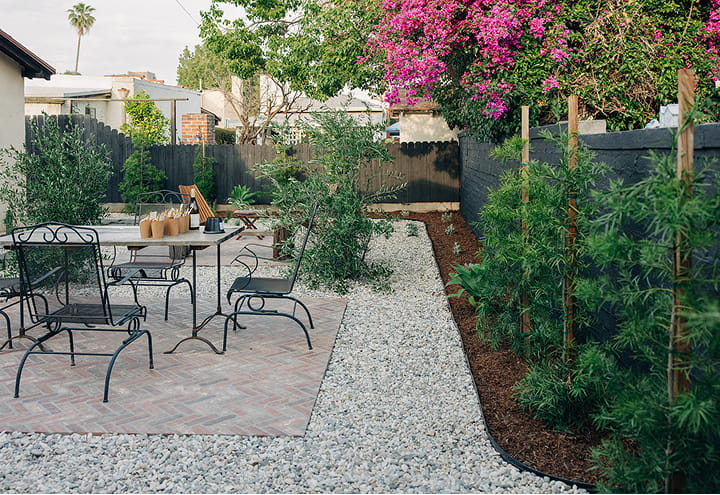
Native California Plants That Add Color, Texture, and Pollinator Life
Read more


“As native gardeners, we observe both the rhythm and the changes each year. Our activities put us in the habit of noticing the details of our surroundings. Consciously or not, we hone a sense of place and a sense of time. Native gardening enriches us throughout the year.” – Helen Popper
Native gardens can help you observe the natural rhythms and subtle changes of each season. The act of tending to them encourages you to notice the small details in your surroundings, deepening your awareness of both place and time. Whether you realize it or not, caring for native plants fosters a stronger connection to the world around you and brings enrichment throughout the year.
When it comes to creating a thriving garden, many people default to conventional gardening with non-native plants. But there’s a better, more sustainable option: gardening with native plants. Especially in regions like Southern California, choosing native species can make all the difference for water conservation, wildlife, and the beauty of your landscape.

Native plants are those that naturally occur in a region and have adapted to its climate, soil, and ecosystem over centuries. In Southern California, this means plants that thrive in dry, Mediterranean-like conditions. By incorporating natives into your garden, you’re not just planting—you’re investing in a more sustainable lifestyle.
Here’s why native gardening beats conventional gardening in so many ways:

Conventional gardening often relies on exotic plants and grassy lawns that require constant irrigation, chemical fertilizers, and pesticides to survive. While these gardens may look beautiful, they:
The result? A higher-maintenance garden that costs more money, takes more work, and doesn’t support the natural ecosystem.

In Southern California, water is a precious resource. Choosing native plants is one of the most effective ways to conserve water in your garden. With efficient drip irrigation systems—or sometimes no irrigation at all—native landscapes can stay lush and healthy even during dry spells.
Think of it this way: when you plant natives, you’re not just saving money on your water bill—you’re also helping your community by reducing strain on local water supplies. It’s a win-win.

When you choose native plants over conventional gardening methods, you’re not just designing a pretty outdoor space. You’re contributing to a healthier ecosystem, a more sustainable lifestyle, and a deeper connection to the land.
Native gardening encourages us to slow down, notice the rhythms of nature, and appreciate the world right outside our door. As Helen Popper said, it gives us both a sense of place and a sense of time—something no conventional garden can truly offer.
Every project begins with a conversation — we'll help you figure it out.
.jpg)